02/10/2025
Since 2020, Congress has been appropriating the public budget with parallel caucus amendments, a type of non-tax amendment operated in a non-transparent way by parliamentarians, who choose the beneficiaries through letters to the top echelon of the federal government.
Only a portion of these funds can be traced in the budget and financial execution, through a marker that is not even included in the Annual Budget Law. Most of it is mixed in with the federal government’s discretionary budget, making it impossible for control bodies and civil society to trace it.
This report by Transparência Brasil reveals that between 2020 and 2025, Congress inserted R$9.4 billion in non-taxable amendments to the annual budget laws. The caucuses distribute the funds among the parliamentarians, who choose the beneficiaries through letters sent directly to the highest authority of the related body.
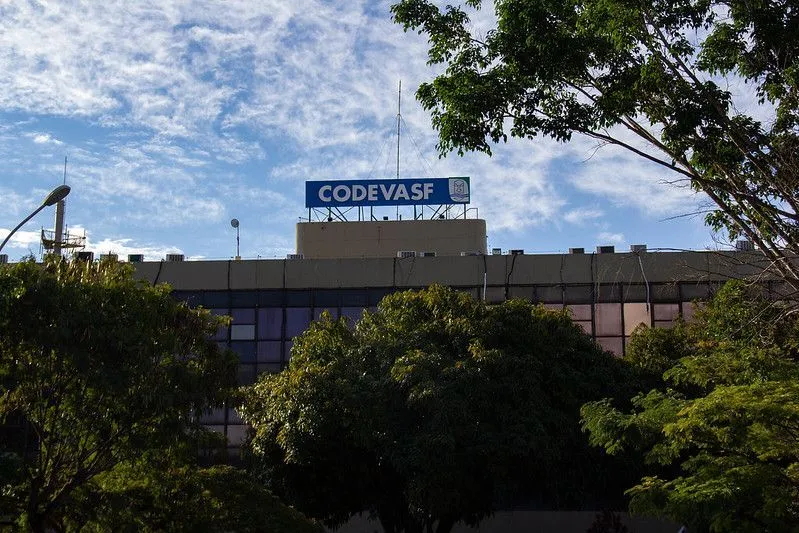
- Known as the “state-owned company of the centrão”, Codevasf was the preferred destination of the parallel caucus amendments in 2024. All of the R$313.7 million traceable to the agency were committed;
- While all the other amendments were suspended by order of the Supreme Court between August and December 2024, the parallel bench amendments continued to operate and had at least R$79.1 million committed during this period;
- The TB reinforces the warning that parallel amendments – non-imposing bench amendments and committee amendments without their own identifier – are used as a means of individual and opaque appropriation of collective resources, and it is essential, at the very least, to establish rules for their operation and traceability.